
Visual sound localization
Sound-map overlays identify source regions and help move from broad scanning to targeted review.
Sound-map overlays identify source regions and help move from broad scanning to targeted review.
Adjust frequency band, threshold and dynamic range to focus on target signals in complex environments.
Combine leak analysis, equipment location and operating records to prioritize findings for maintenance.
Save sound maps, photos, video and annotations for maintenance handover and before-and-after review.
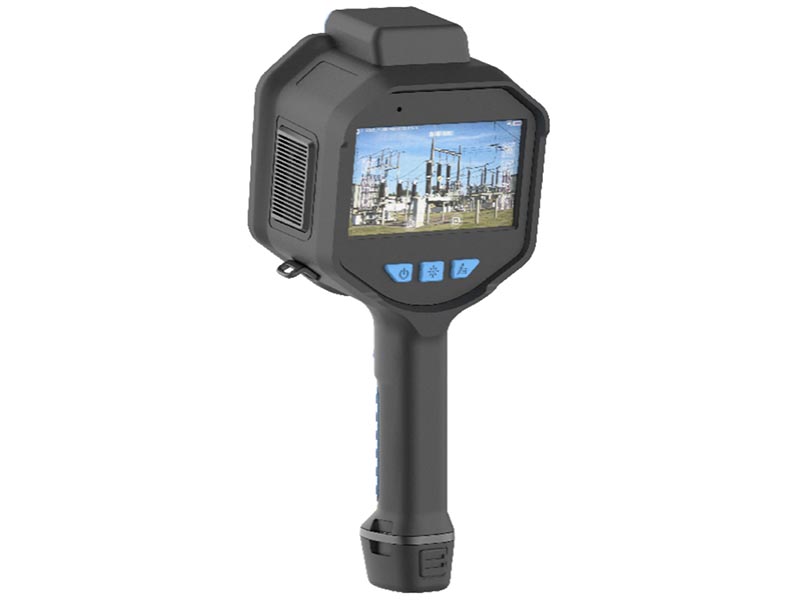
A 138-channel acoustic array with 640 × 512 thermal imaging, visible imaging and laser ranging.
VIEW PRODUCT →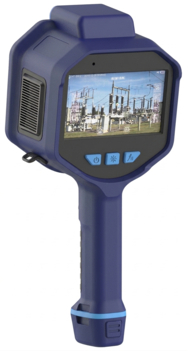
Handheld 138-channel, 2–100 kHz acoustic imaging with leak and partial-discharge analysis.
VIEW PRODUCT →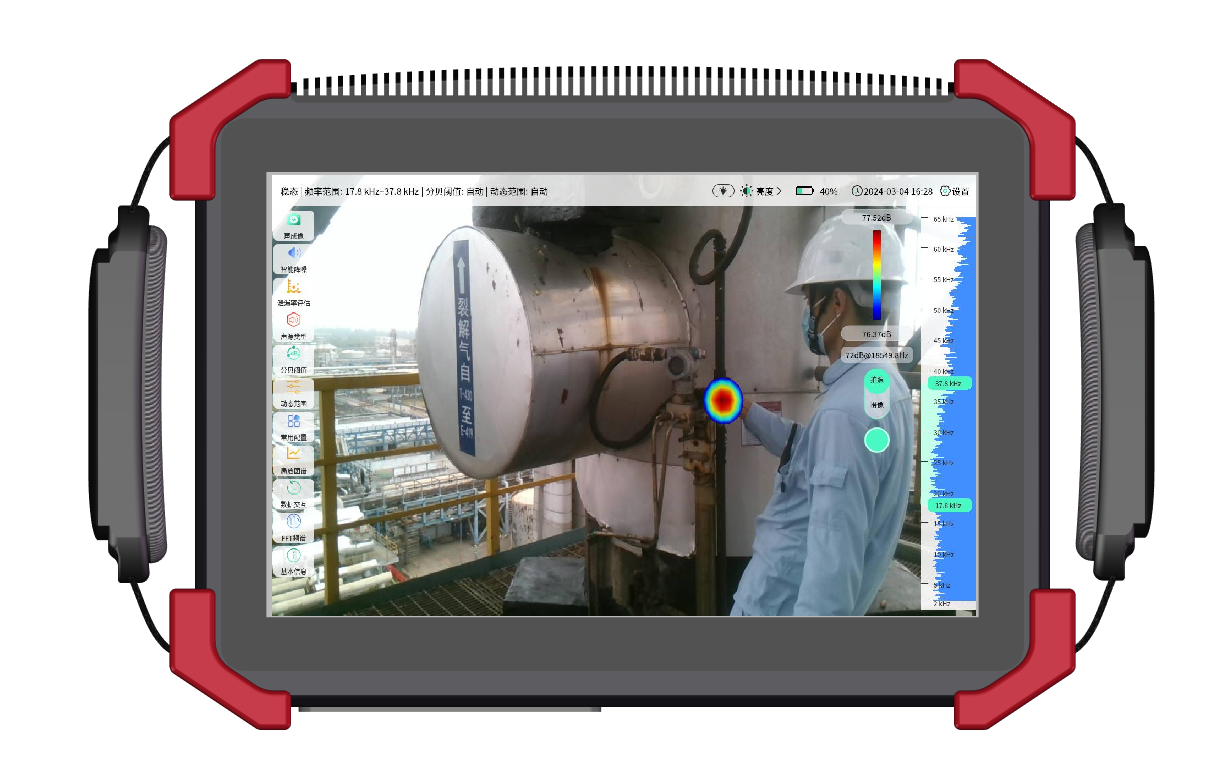
A 132-channel acoustic array, 640 × 512 thermal imaging and 10-inch Full HD display, specified for VS130EP.
VIEW PRODUCT →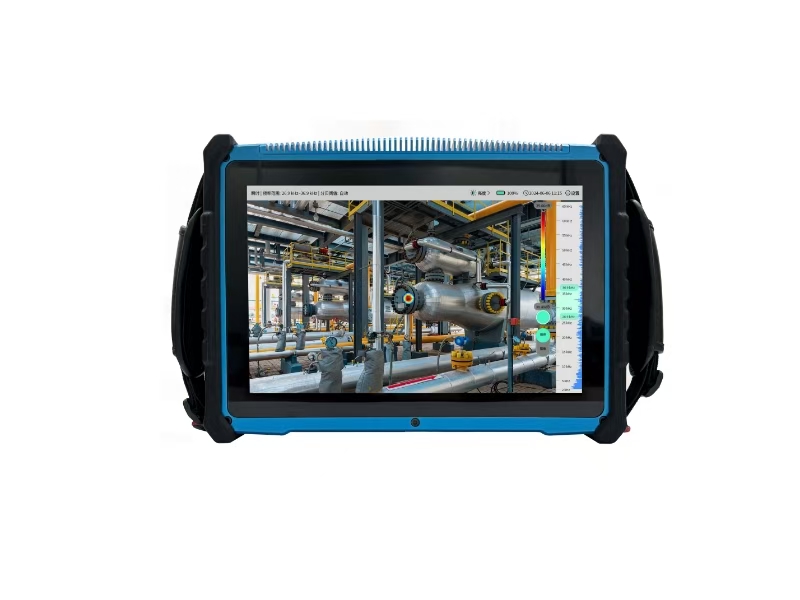
Large-screen 10-inch, 2–65 kHz acoustic imaging for leak localization and abnormal equipment-noise screening.
VIEW PRODUCT →Multichannel microphones and imaging algorithms display source distributions over the visible scene.
Inspect compressed-air systems, valves, flanges and connections; detectability depends on pressure, distance and surroundings.
Acoustic localization and PRPD information help screen abnormal emissions around insulation for further review.
VS138XH and VS130EP add 640 × 512 thermal imaging for surface-temperature distributions and anomalies.
VS138X / VS138XH include laser ranging; record distance by suitable means on other models for repeat inspections.
Recording, playback and annotations preserve findings; select report functions according to model configuration.
An acoustic array overlays source locations on the visible scene, while thermal imaging shows surface-temperature distribution. VS138XH and VS130EP provide both types of information for reviewing suspected leaks, discharge or overheating. VS138X and VS128N support surveys focused on acoustic localization. Interpret findings alongside target distance, operating state and background noise.
COMPARE CONFIGURATIONS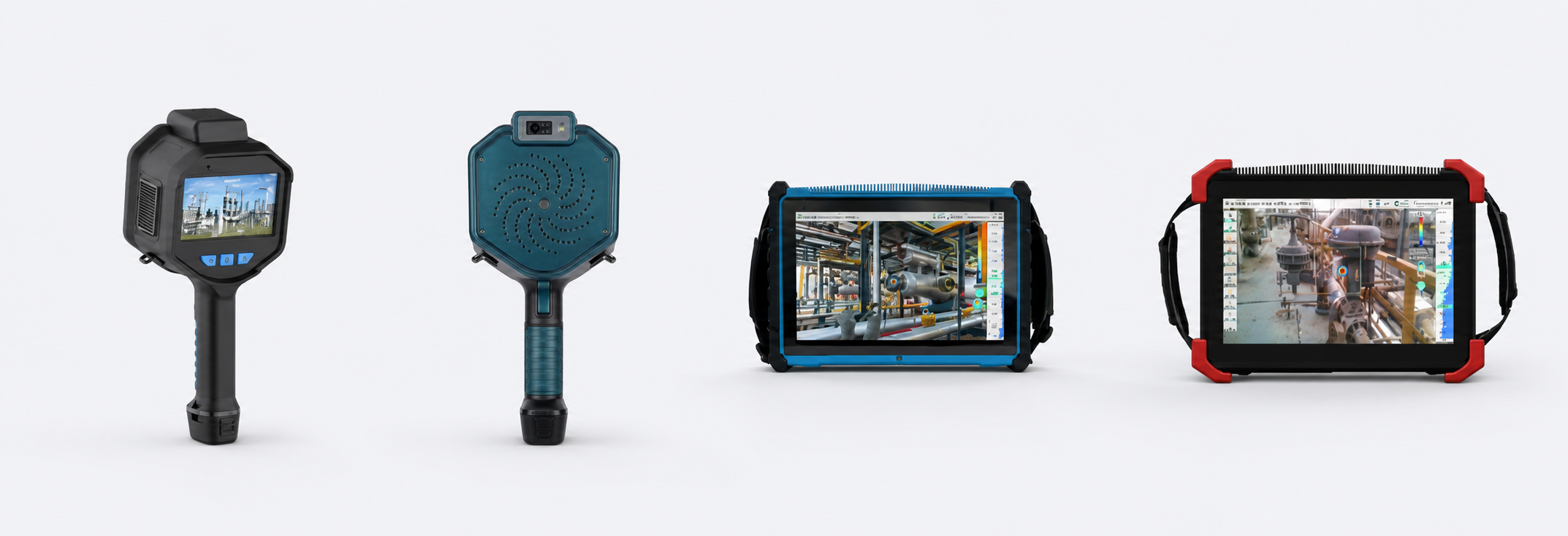
 Compressed-air systemsInspect fittings, hoses and air-use points, then recheck repaired locations under comparable operating conditions.
 Electrical equipment surveysScreen switchgear, insulators and connections, then review discharge patterns alongside equipment condition.
 Petrochemical and process plantsLocate leak emissions around valves, flanges and process pipes, documenting the medium, pressure and inspection conditions.
 Mechanical noiseScan abnormal noise regions on operating machinery, adjust analysis bands and record locations for further diagnosis.
 Rail and transport equipmentInspect pneumatic systems, connections and equipment noise at defined locations for repeat surveys.
 Combined acoustic and thermal reviewUse thermal-equipped models to record sound sources and temperature distributions for complementary review.
Identify gas leakage, electrical discharge or mechanical noise and the records required.
Record distance, access, background noise and reflective surfaces to assess the inspection setup.
Choose a frequency range for the target spectrum and confirm leak, PRPD or transient-analysis needs.
Choose a 5- or 10-inch platform and confirm thermal-imaging and focusing-distance requirements.
Confirm survey duration, batteries, storage, annotations, connectivity and reporting workflow.
Validate localization, operation and record quality on representative targets before confirming the configuration.
Define the configuration around the medium, equipment and access conditions rather than isolated figures.
Check acoustic, thermal, laser and data functions against the documentation for the specific model.
Use targets that represent real distances, noise and pressure to assess suitability.
Record location, operating conditions and settings so repeat inspections can be compared.
Confirm power, storage, support accessories and documentation for the planned surveys.
Organize locations, sound maps and thermal images into clear records for maintenance and technical review.
Share the medium and pressure, equipment type, background noise, survey duration and thermal-imaging needs so we can help match the product and configuration.