
Overview
Compared positioning speed, site applicability and recordable evidence.
Why should I care?
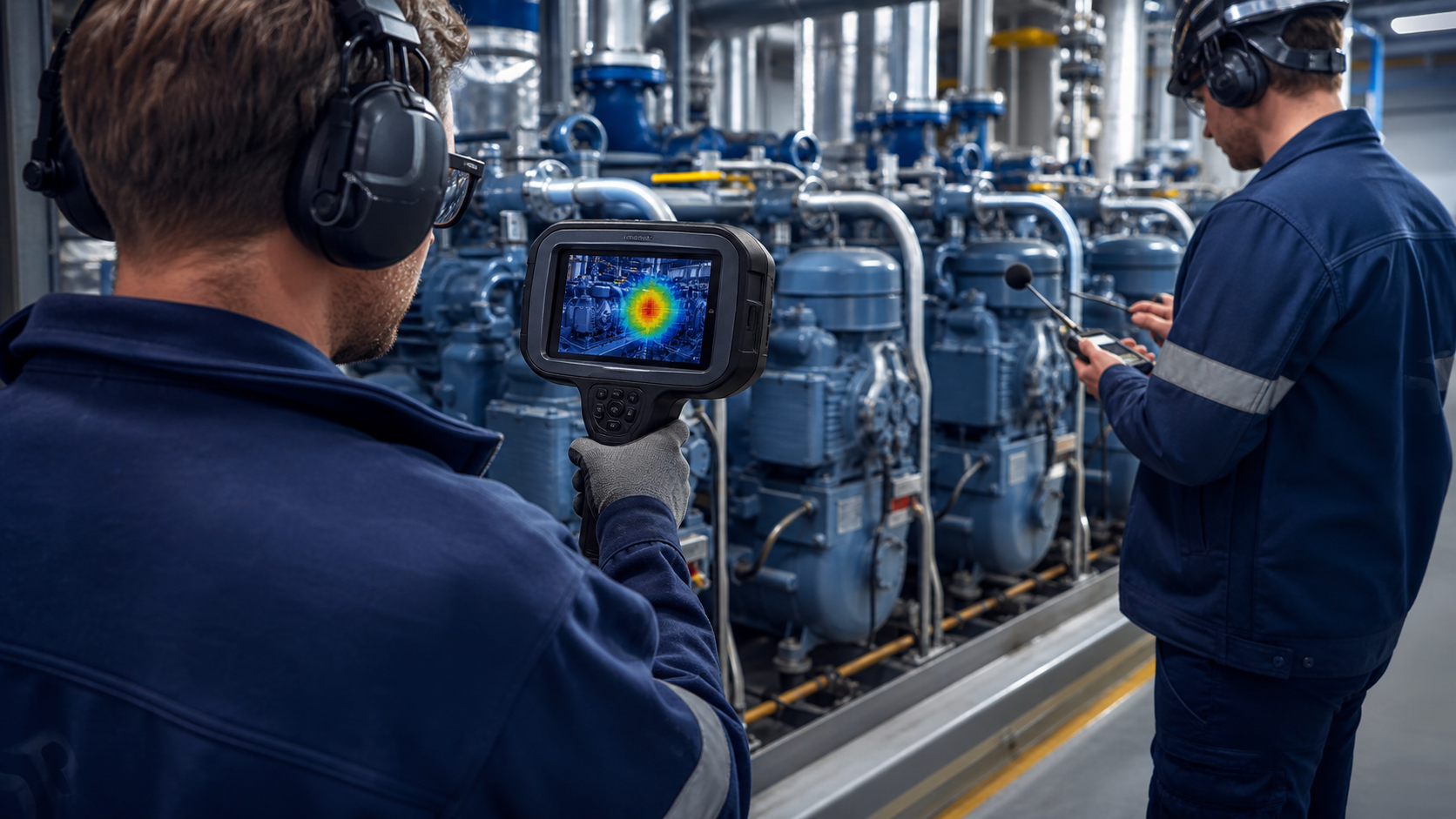
This paper describes practical approaches in terms of the objectives of the tests, conditions on the ground and the quality of the evidence.The equipment selection should not be limited to comparison of parameters, but also verify the accessibility of the probe, the results of the image or acoustics, how the record is recorded and the actual workflow of the operator.
Recommended steps for implementation
- Identify the target, the path to entry, the operation situation and the questions to be answered.
- Select the appropriate industrial borescope, acoustic imaging camera, probe or attachment and verify it on representative work.
- The use of uniform naming to record pictures, videos, acoustic distribution, location, severity and operating conditions.
- Discoveries will be converted into worksheets, modified and re-evaluated along the same lines and pre- and post-evidence retained.
Developing sustainable processes
Establish a checklist of checks and division of responsibilities around “the distinction between acoustic imaging and traditional listening methods”.Periodically review unclosed problems, repeat locations and results and continuously optimize detection frequency and equipment configuration.